


Customize Your Pot
Please Note: Size & position of custom text may vary slightly. Please allow an additional 1-2 days for processing your order.


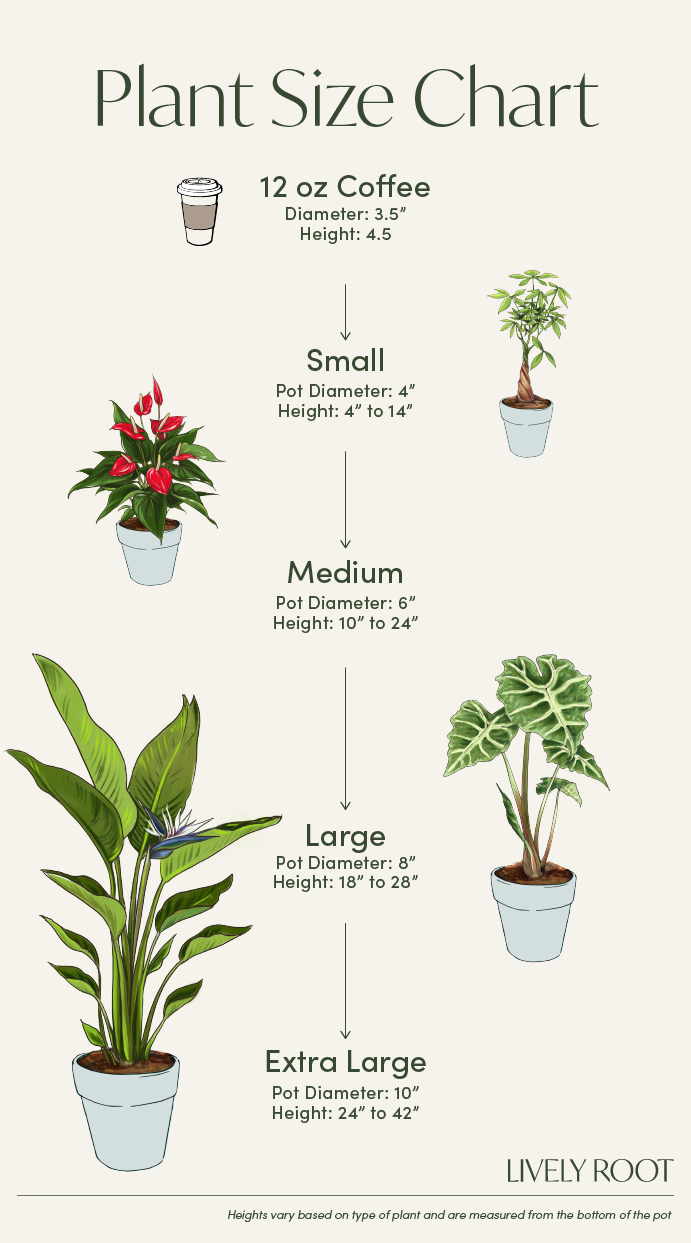
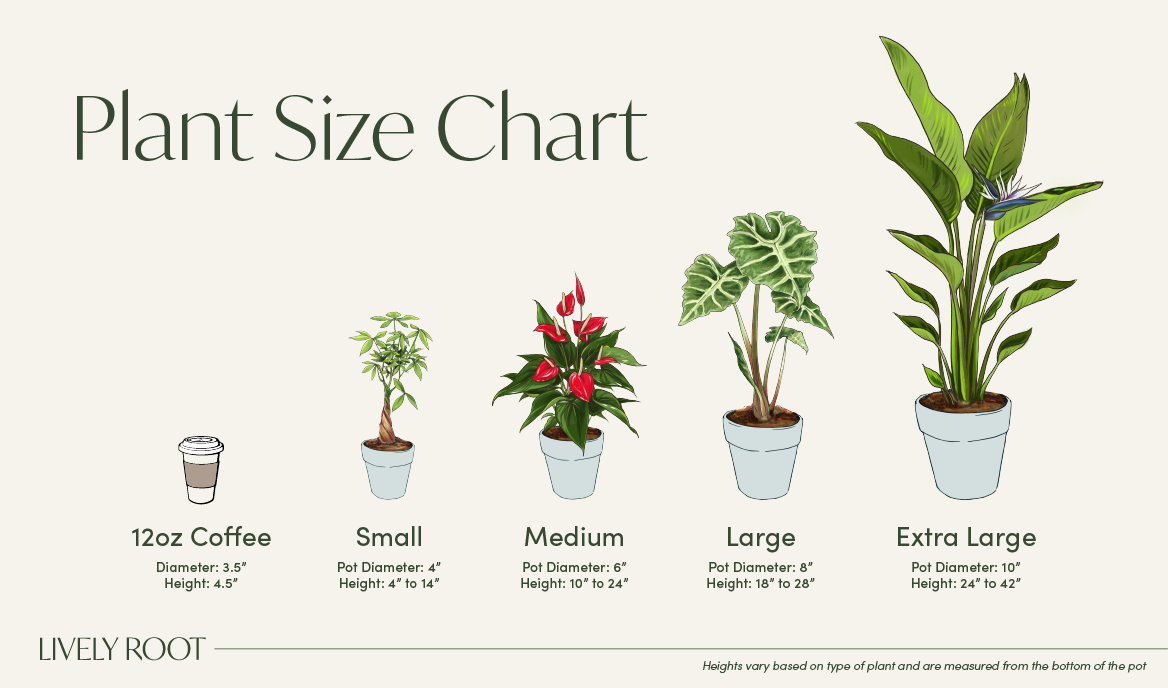
Bring the warmth of spring into your home with our radiant Yellow Daffodil (Narcissus pseudonarcissus)! This gorgeous bloomer will brighten your day as it bursts into full bloom, greeting you with its vibrant yellow petals and playful trumpet-shaped blooms. Standing sturdy stems, this potted beauty reaches a height of 1-2 feet, making it a delightful addition to any indoor or outdoor space.
* These may ship with blooms still in bud so they can arrive to you fresh and ready to put on a fantastic show! Give your new bulb a few days once it arrives to fully bloom.

Place your plant in full sun (6-8 hours) to part sun (4-6 hours). Avoid hot afternoon sun.
Keep the soil moist, but be careful not to over-saturate! Indoors, they should be watered once or twice a week, depending on how warm your home is.
This plant does not do well in high humidity and succumbs to fungal diseases easier.
Daffodils thrive in temperatures between 60°F-70°F. They do great in most indoor settings, try to keep away from any extreme cool or warm drafts.
To transplant into a garden container or the garden bed, water your plant the night before. Dig the hole twice as wide as the grower pot and the same depth as the grower pot (not deeper). Remove the plant and center in the spot. Add rooting hormone around the roots of the plant. Water in the hole and let drain. If you have clay soils, add compost to enhance the soil consistency. Fill around the plant and up to the top of its soil line. Tamp down with your hands to remove any air pockets. Water again around the drip line. Lilies don't like alkaline soil or lime so keep the soil pH at 5.5-6.5.
When flowers begin to die and turn into seed pods, simply trim the ends off, leaving the green stem. Once the leaves become fully brown and floppy, cut the leaves down to the top of the bulb.
After the plant is fully established (2-3 years), dig up the plant, ensuring you capture all the roots.
Remove the bulbs and soil around them.
Replant in a full sun to part sun spot in rich soil with good drainage or a container plant mix.
Dig the hole twice as wide and the same depth as the original or three times the height of the bulb deep.
Add root hormone at the bottom of the hole, place the bulbs in the center, and water.
Add compost and supplemental garden soil mixed with the native soil to the hole.
Water around the plant again and keep the soil moist but not soggy in well-draining soil. Mulch around the roots to retain moisture.
The Yellow Daffodil (Narcissus pseudonarcissus) is one of the most popular spring flowers in the world. Ideal for hardiness zones 3-8, this robust early spring bloomer has bright yellow trumpet-shaped flowers and upright green leaves.
This spring-blooming plant was introduced to the US early in the 18th century. The Yellow Daffodil belongs to the Amaryllidaceae family, which includes other popular spring flowers, like the Amaryllis and the Snowdrop. Daffodil bulbs can be grown indoors and outdoors. The lifespan of a single bulb is around 4-5 years. If planted in the garden, daffodils grow in clumps, gradually multiplying and forming attractive groups. They can grow in the same spot for many decades, sometimes even centuries.
Daffodils are a great choice for sunny gardens. They are sun-loving and easy-care plants. However, like many spring bulbs, they are mildly toxic to pets if ingested.
In the language of flowers, the Yellow Daffodil meaning is often associated with rebirth and new beginnings, as it heralds the end of winter. The Yellow Daffodil flower also symbolizes joy and hope.
Daffodils bulbs are easy to grow, making these sunny spring flowers a great plant for beginning gardeners. Here are some Narcissus plant care tips to help you grow these amazing plants indoors, in the garden, or as a gorgeous porch plant:
Water once or twice a week to ensure the bulbs aren’t waterlogged, which can lead to rotting. Outside, daffodils appreciate moist but not soggy soil. They grow best in low humidity, as high humidity can lead to fungal disease in these plants.
One of the most important aspects of daffodil care is finding the right spot for your plants. They need 6 to 8 hours of bright sunshine but should stay out of the hot afternoon sun. A location with full sun in the morning and partial shade in the afternoons is ideal for daffodils. When planted in the ground, your daffodils should receive a good amount of sun in the winter to promote blooming in spring. Narcissus Pseudonarcissus is winter hardy, growing in hardiness zones 3-8. It prefers temperatures from 60°F to 70°F during blooming.
After buying a Yellow Daffodil, you don’t need to repot it if it is grown as a patio or indoor plant. However, you can plant your bulbs in the garden, for them to multiply and bloom again each spring. Use a well-draining and slightly acidic soil with a pH of 5.5-6.5. If the soil in your garden contains clay, add some compost to improve consistency. Fertilize your daffodils every spring.
Once your daffodils are fully established in 2-3 years, you can propagate them by digging up the bulbs. Divide the smaller, new bulbs from the clump, and plant them in a sunny spot to form a new clump. Water them thoroughly after planting.
Once the daffodils have finished blooming, prune off any wilted blooms. You can also cut off the leaves to the base of the plant once the leaves start looking brown and messy late in spring or early summer. Yellow Daffodils are generally very resistant to pests and diseases. Avoid growing them in locations with high humidity or soggy soil to prevent fungal diseases and root rot. A common problem is a failure to bloom due to poor light or feeding your plants with nitrogen-rich fertilizer.
The radiant Yellow Daffodils create a springtime mood, no matter whether you use them in indoor or outdoor flower displays.
The Yellow Narcissus is a cheerful spring bloomer, which looks great grouped with other small plants. Here are some choices to consider:
Plant owners may worry about their pets ingesting the toxic daffodils, so consider several flowering pet-friendly plants as alternatives:
Brighten your home with some radiant Yellow Daffodil flowers that will lift your mood every spring!


