Customize Your Pot
Please Note: Size & position of custom text may vary slightly. Please allow an additional 1-2 days for processing your order.


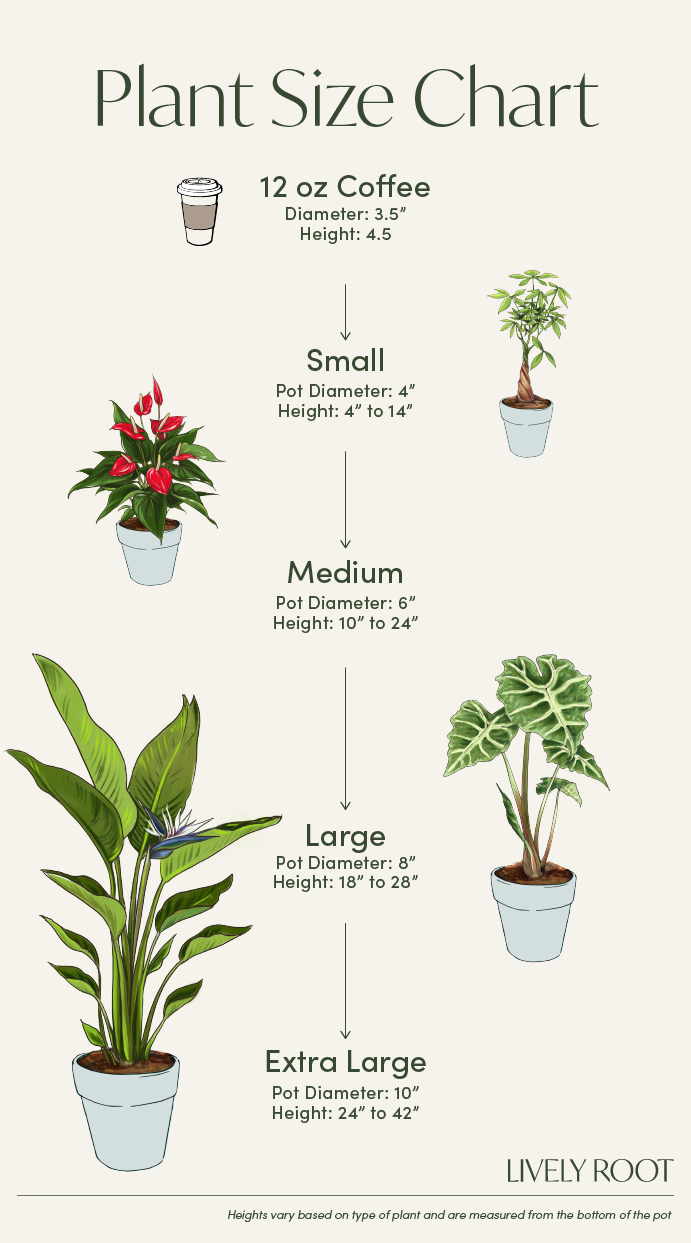
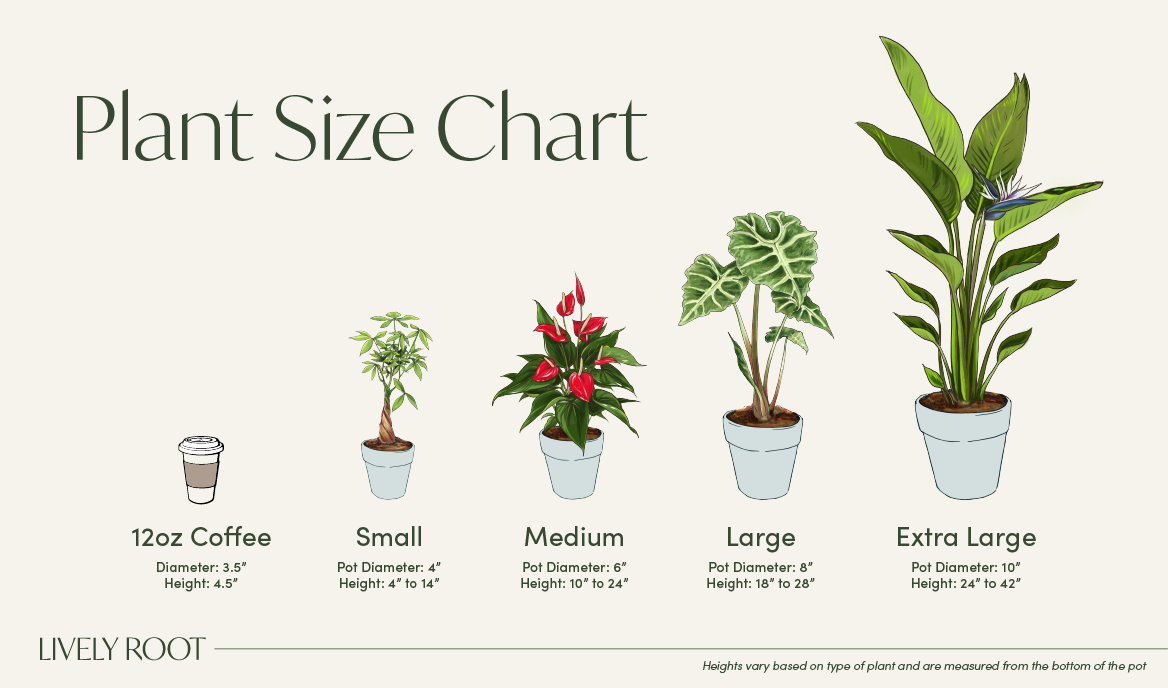
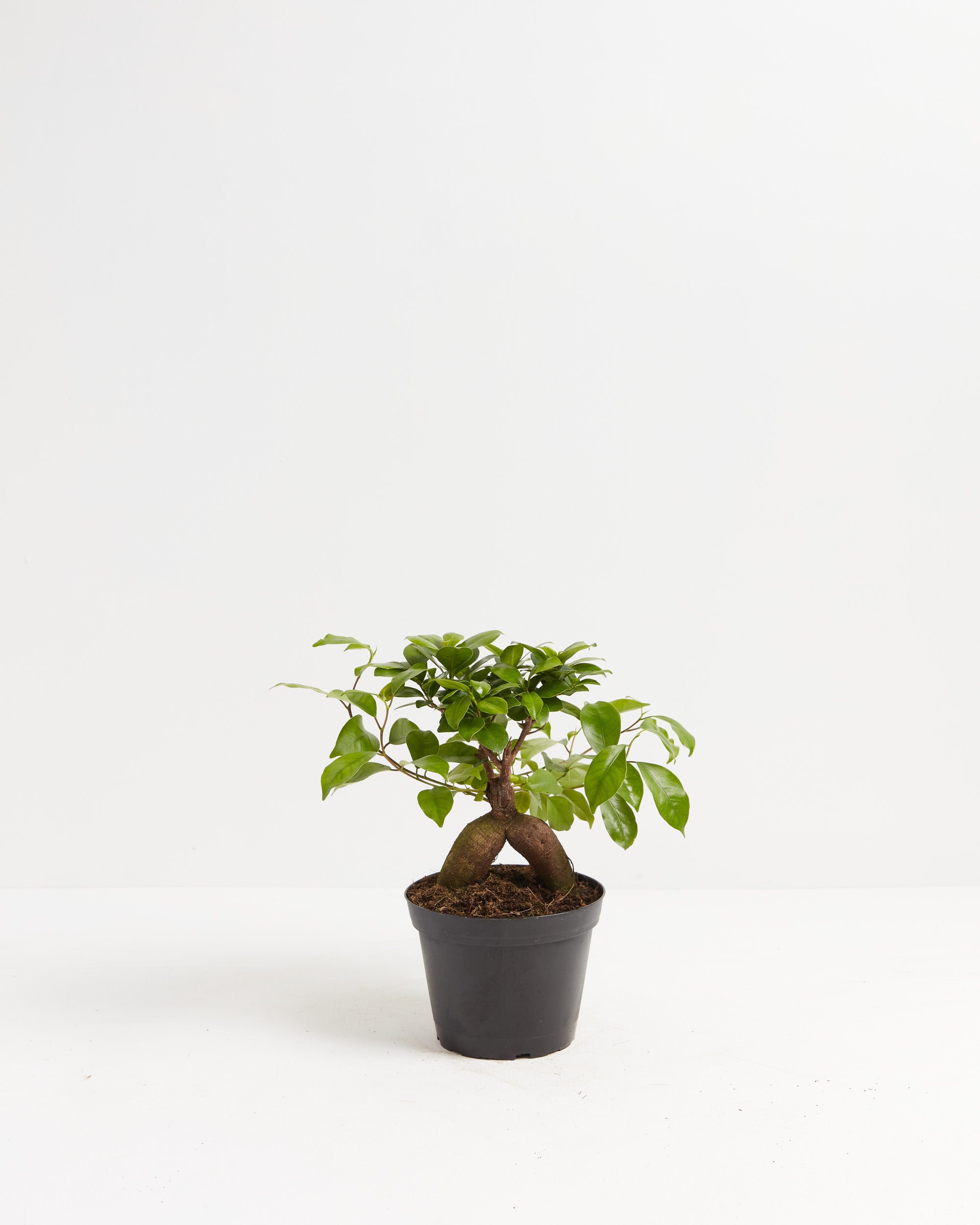
The Ficus Ginseng (Ficus Microcarpa 'Ginseng') is the perfect plant to start your bonsai journey into the tranquility of this spiritual practice. The dense, glossy, dark green foliage is perfect for shaping as they sit atop a wide trunk with exposed roots, extending their aesthetics. They are an ideal addition to a relaxing environment!

Can live in medium light but performs better when exposed to bright light. Direct sun will burn leaves. (southern or eastern exposure)
Use filtered, bottled, or tap water sitting 24 hours to release the chemicals and water enough that the water discharges out of the drainage holes. Once the water is fully drained, replace them into the cache or decorative pot. Don't let the roots sit in standing water. Keep the soil consistently moist but avoid overwatering as they can suffer from root rot. Do not let the root ball dry out or they will protest with damaged leaves. During winter months, reduce watering while they are in dormancy.
Enjoys high humidity. Spritz daily and add a pebble tray or humidifier to keep the humidity high.
Keep this plant in rooms where the temperature is above 68°F.
Outside: Keep them in afternoon shade but bright indirect morning light on a patio out of direct sunlight to prevent leaf burn where nights are above 60°F.
Fertilize every 2-3 weeks by diluting an organic balanced liquid fertilizer into the water while watering. If you have the fancy leaf begonias, use a higher nitrogen fertilizer in the early spring. You may switch to a high phosphorus for a flowering boost. Fertilize in the spring through fall months but let the plant rest in the winter. Avoid any foliar feeding on the leaves.
Wait until it's about time to water your Ficus to repot them.
Choose a well-draining pot that is 2" wider than the current container. Add a mesh or fine screening to the bottom of the pot to hold in the soil mix. This screen will prevent the holes from getting clogged.
Use fresh bonsai potting mix for repotting. Remove the plant and use a small rake or paintbrush to remove the old soil from around the roots.
Use a sterile set of pruners to remove one-fourth to one-third of the roots. This pruning will trigger more roots to emerge.
Place in the new container with fresh mix and backfill, pressing down the soil, and then water thoroughly. Add more soil if it settles during watering to stabilize.
A good time to do this is when you are already watering your plant. To clean:
Use a soft paint brush to dust the roots.
Trim off any dead or damaged limbs, branches, or roots with sterile pruners.
Move the plant to a tub or shower area.
Fill your watering can with a shower nozzle with filtered or distilled room temperature water.
Shower the leaves with a gentle wash to knock off any dust from the foliage.
Prune the limbs to create foliage where it is desirable to generate balance up and down the trunk.
Watch for offshoots and remove any vegetation growing on the rooted areas to display their shape better.
Ficus Ginseng (Ficus microcarpa 'Ginseng') is a bonsai-like plant with a thick trunk and a crown of glossy, oval leaves. A ficus plant in the mulberry family (Moraceae), the Ginseng Tree is native to the tropics of Southeast Asia, where it often grows into a large tree. As an indoor plant, however, Ficus Ginseng reaches a height of only about 15-24 inches. This exotic small plant is most suitable for hardiness zones 9-11.
The Ginseng Ficus is a slow grower known for its longevity, often living for over 20 years. Ficus Ginseng care is relatively easy, and it thrives in bright sunlight. Keep this little beauty out of your pet’s reach, as it can be toxic to cats and dogs if ingested.
The Ficus Ginseng plant symbolizes resilience, balance, and long life, and it’s believed to attract good luck, peace, and positive energy in Feng Shui.
Other lovely ficus varieties in our collection include the multicolored Ficus Tineke and the glossy Burgundy Rubber Tree.
Caring for Ficus Ginseng isn’t difficult. Below, we share tips on how to take care of a Ficus Microcarpa Ginseng plant:
Balance is the key to Ginseng Ficus care when watering. Water thoroughly with filtered or distilled water, and then let the water drain. Avoid overwatering, which often leads to root rot.
Being a tropical plant, your Ginseng bonsai tree appreciates high humidity. Mist your plant regularly, or use a humidifier.
Your Ficus Ginseng plant will grow best in bright but indirect sunlight. Outdoors, place this plant in dappled light, where direct sunlight won’t burn its leaves. It’s an ideal plant to grow near a southern or eastern window.
This bonsai plant loves consistently warm temperatures, from 60°F to 80°F. It doesn’t adapt well to cold weather and needs to be brought indoors if temperatures drop below 60°F. Avoid drafts or temperature fluctuations.
For the best Ginseng Ficus care, use well-draining soil to prevent root rot. Mix the potting soil with perlite, peat moss, or bark to ensure good soil aeration and drainage. Feed your plant with a balanced liquid fertilizer once every 2 weeks during spring and summer.
Repot your Ginseng Ficus about once every 2 years into a slightly larger container. To help it stay small, you can prune the roots while repotting. Remove about one-fourth of the roots to provide space for new growth.
If you want more Ficus bonsai plants, they’re easy to propagate. Take several stem cuttings with leaf nodes attached, place them in fresh water or moist soil, and wait for the roots to develop.
Pruning in the spring or summer is an essential part of Ficus Ginseng care. You can easily shape this plant’s thick foliage into the desired form by pruning the tips regularly. Trim any offshoots on the trunk to keep its unique shape. Shower the foliage to remove dust or use a small brush to dust the trunk.
Regularly check your Ficus Microcarpa Ginseng for pests, like aphids or spider mites. Treat with neem oil or insecticide if needed. Yellowing leaves are often a sign of root rot due to overwatering.
Its ease of care and unique, sturdy trunk are just part of the Ficus Ginseng bonsai benefits. This plant’s serene charm makes it the perfect addition to shelves or desks as an accent or combined with other plants.
Place your Ficus Ginseng together with other small plants to create your own corner for relaxation:
Check out these pet-friendly plants to buy as an alternative if you have pets:
Create a calming atmosphere for meditation and rest with a Ficus Ginseng bonsai from Lively Root!